Case Study: Successful Eco-Friendly Plumbing Projects in Colorado
SP
Introduction to Eco-Friendly Plumbing
As environmental awareness continues to grow, the plumbing industry in Colorado is embracing eco-friendly practices. The focus on sustainability is not only beneficial for the environment but also reduces costs for homeowners and businesses. In this blog post, we explore several successful eco-friendly plumbing projects in Colorado that highlight innovative solutions and sustainable practices.

Water Conservation Techniques
Water conservation is a critical component of eco-friendly plumbing. Several projects in Colorado have implemented techniques that significantly reduce water usage. For instance, the use of low-flow fixtures and dual-flush toilets has become a standard in many new constructions. These fixtures not only lower water consumption but also decrease utility bills for homeowners.
Another effective technique is rainwater harvesting. By collecting and storing rainwater, properties can use this natural resource for irrigation and other non-potable applications. Projects incorporating these systems have seen a substantial decrease in their reliance on municipal water supplies.
Energy-Efficient Heating Systems
Heating water accounts for a significant portion of energy usage in homes and businesses. Colorado plumbing projects have successfully integrated energy-efficient heating systems, such as tankless water heaters and solar water heating systems. These systems provide hot water on demand, reducing energy waste associated with traditional tank heaters.
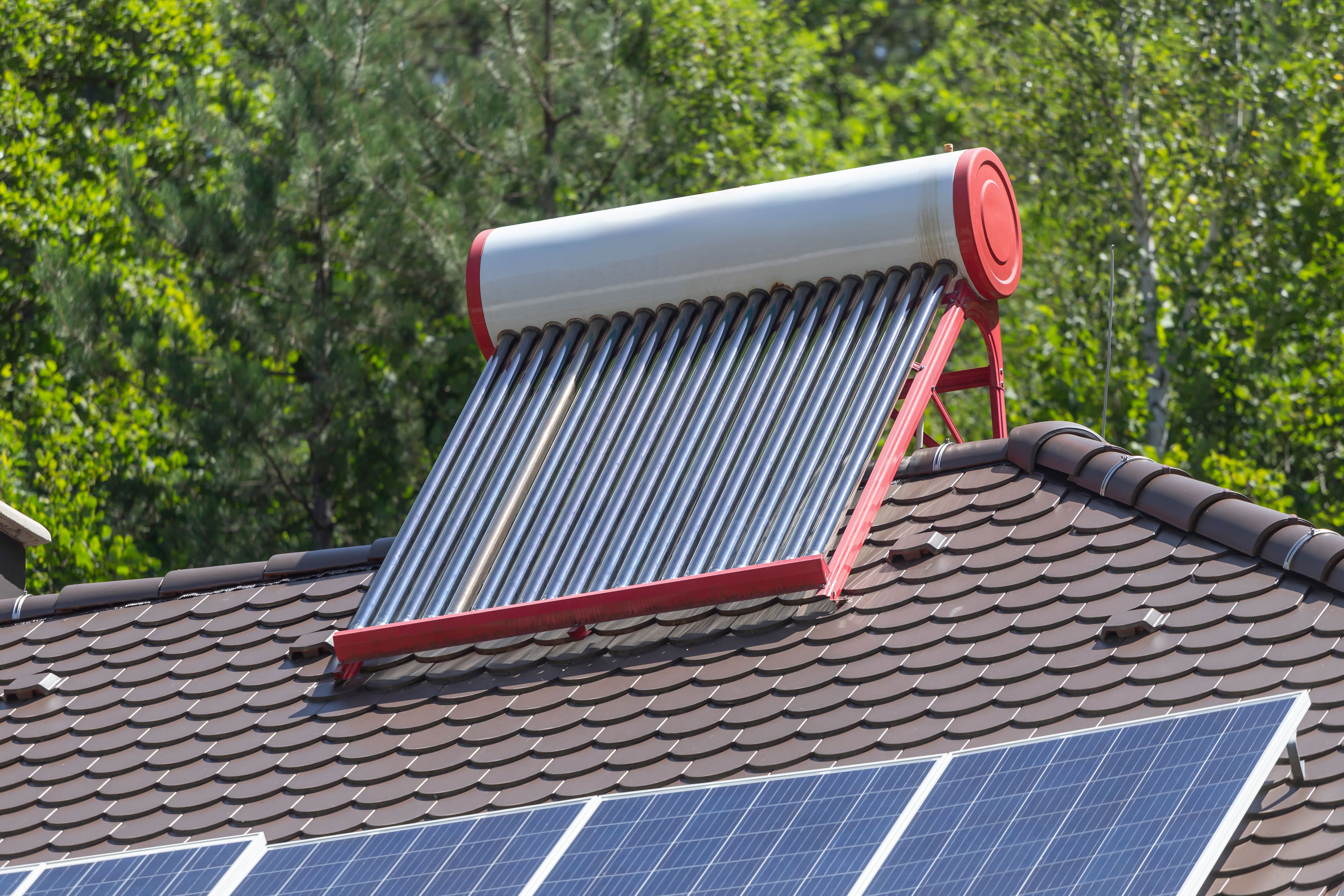
Solar water heating systems, in particular, are gaining popularity. By harnessing the sun's energy, these systems offer a renewable and cost-effective solution for hot water needs. Many projects have reported a significant drop in energy expenses after installation.
Use of Sustainable Materials
Eco-friendly plumbing projects also focus on using sustainable materials. Recycled and recyclable materials are increasingly being used in plumbing installations. For example, pipes made from recycled plastic are durable and environmentally friendly, reducing the demand for new materials.
Additionally, the use of non-toxic sealants and adhesives ensures that plumbing systems do not compromise indoor air quality. These materials contribute to healthier living environments and align with green building standards.

Community Impact and Education
Beyond the technical aspects, eco-friendly plumbing projects in Colorado emphasize community impact and education. Many initiatives involve educating homeowners and businesses about the benefits of sustainable plumbing practices. Workshops and seminars are organized to raise awareness and encourage the adoption of eco-friendly solutions.
These educational efforts have led to a more environmentally conscious community, with residents and businesses actively participating in sustainability initiatives. The collaborative approach has been instrumental in driving the success of these projects.
Conclusion
Colorado's commitment to eco-friendly plumbing projects is a testament to the state's dedication to sustainability. By incorporating water conservation techniques, energy-efficient systems, sustainable materials, and community education, these projects serve as exemplary models for others to follow. The positive impact on both the environment and the economy underscores the importance of continuing to innovate and invest in eco-friendly solutions.