How to Prevent Frozen Pipes in Your Broomfield Home This Winter
SP
Winter in Broomfield can be harsh, with temperatures often dipping well below freezing. One of the most common issues homeowners face during this time is frozen pipes. Not only can frozen pipes disrupt your water supply, but they can also burst, leading to costly repairs. To help you avoid this winter woe, we've put together some essential tips on how to prevent frozen pipes in your home.
Insulate Your Pipes
Insulating your pipes is one of the most effective ways to prevent them from freezing. Focus on pipes located in unheated areas such as basements, attics, and garages. You can use foam pipe insulation, heat tape, or heat cables to wrap your pipes. Be sure to cover all exposed sections, including bends and joints.
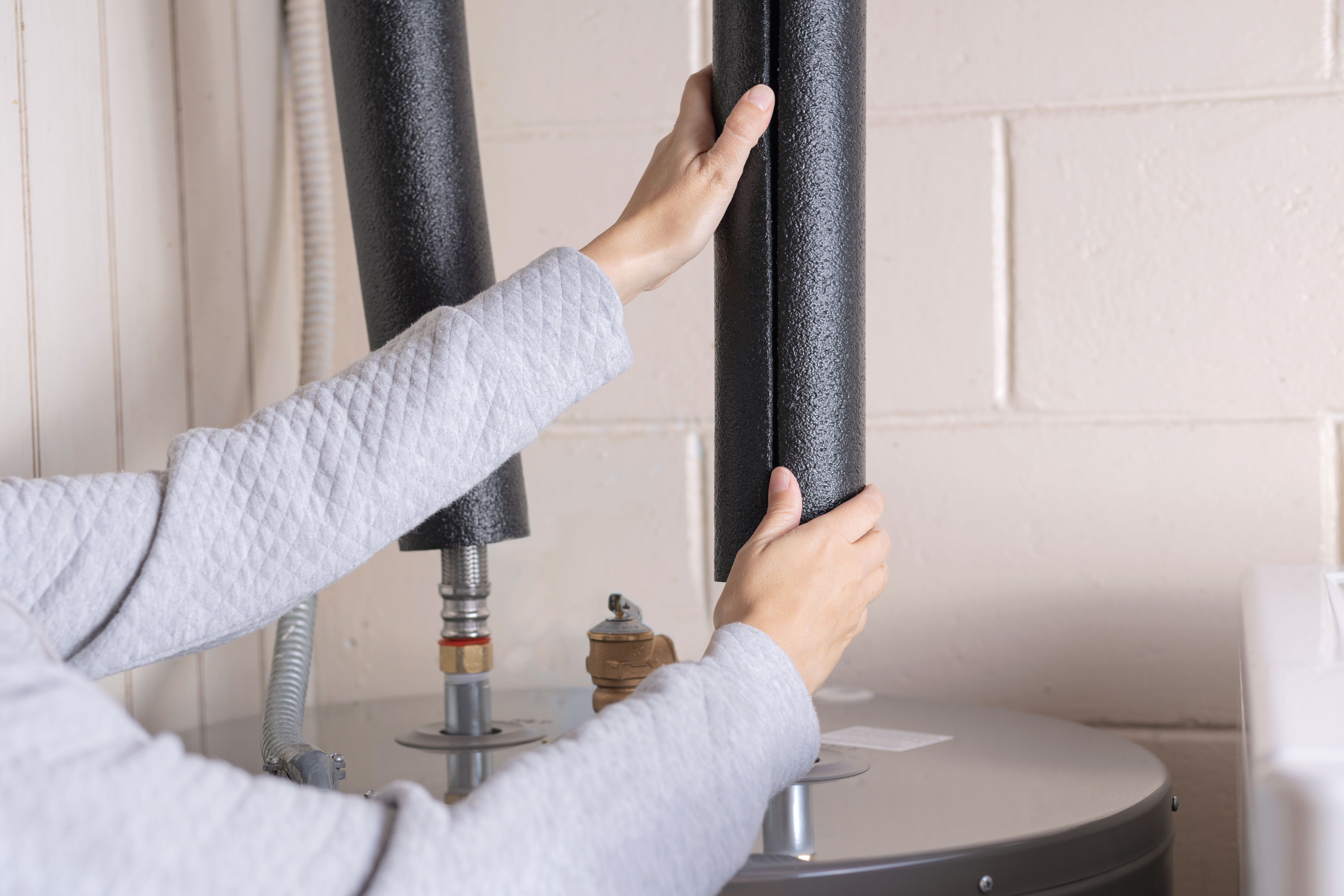
In addition to insulating pipes, consider insulating your home's walls and attic. Proper insulation will help maintain a consistent temperature, reducing the risk of frozen pipes even further.
Seal Off Drafts
Cold air entering your home through gaps and cracks can lower the temperature around your pipes, increasing the risk of freezing. Inspect areas around windows, doors, and vents for drafts and seal them with weather stripping or caulking. Don't forget to check the areas where pipes enter your home and seal any openings there as well.
By eliminating drafts, you'll not only protect your pipes but also improve your home's overall energy efficiency, keeping it warmer and lowering heating costs.
Maintain a Consistent Temperature
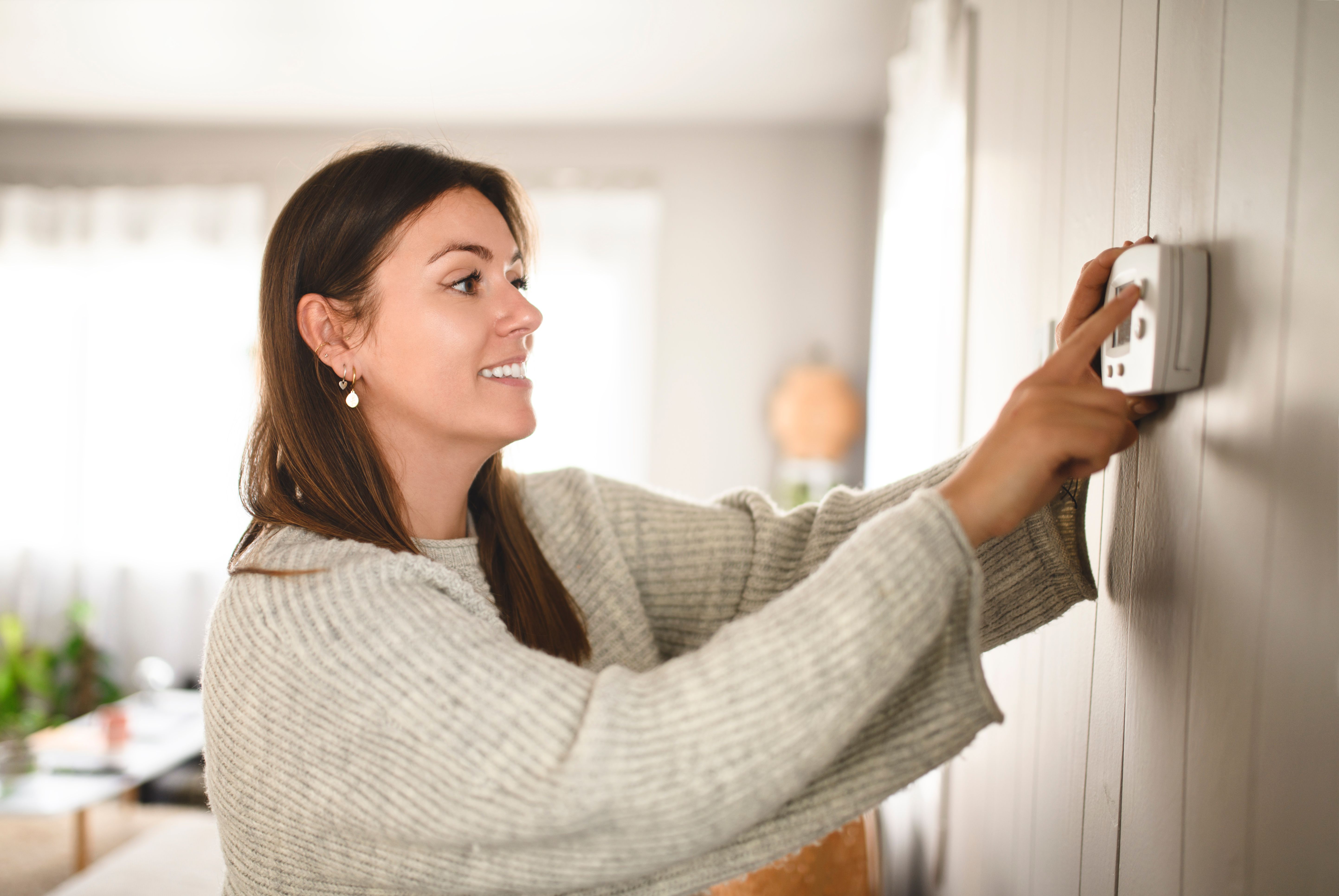
Keeping your home at a consistent temperature is crucial during the winter months. Avoid setting your thermostat too low, especially at night. If you plan to be away from home, set the thermostat to at least 55°F to prevent pipes from freezing.
For added protection, open cabinet doors under sinks to allow warm air to circulate around the pipes. This is especially important if the sink is located against an exterior wall.
Let Faucets Drip
During extremely cold weather, let your faucets drip slightly. This simple step can prevent pressure from building up in the pipes, which is a common cause of bursting. Even a small trickle of water can make a significant difference.
Pay special attention to faucets connected to pipes that run through unheated or exposed areas, as they are more susceptible to freezing.
Know Your Main Water Shut-Off Valve
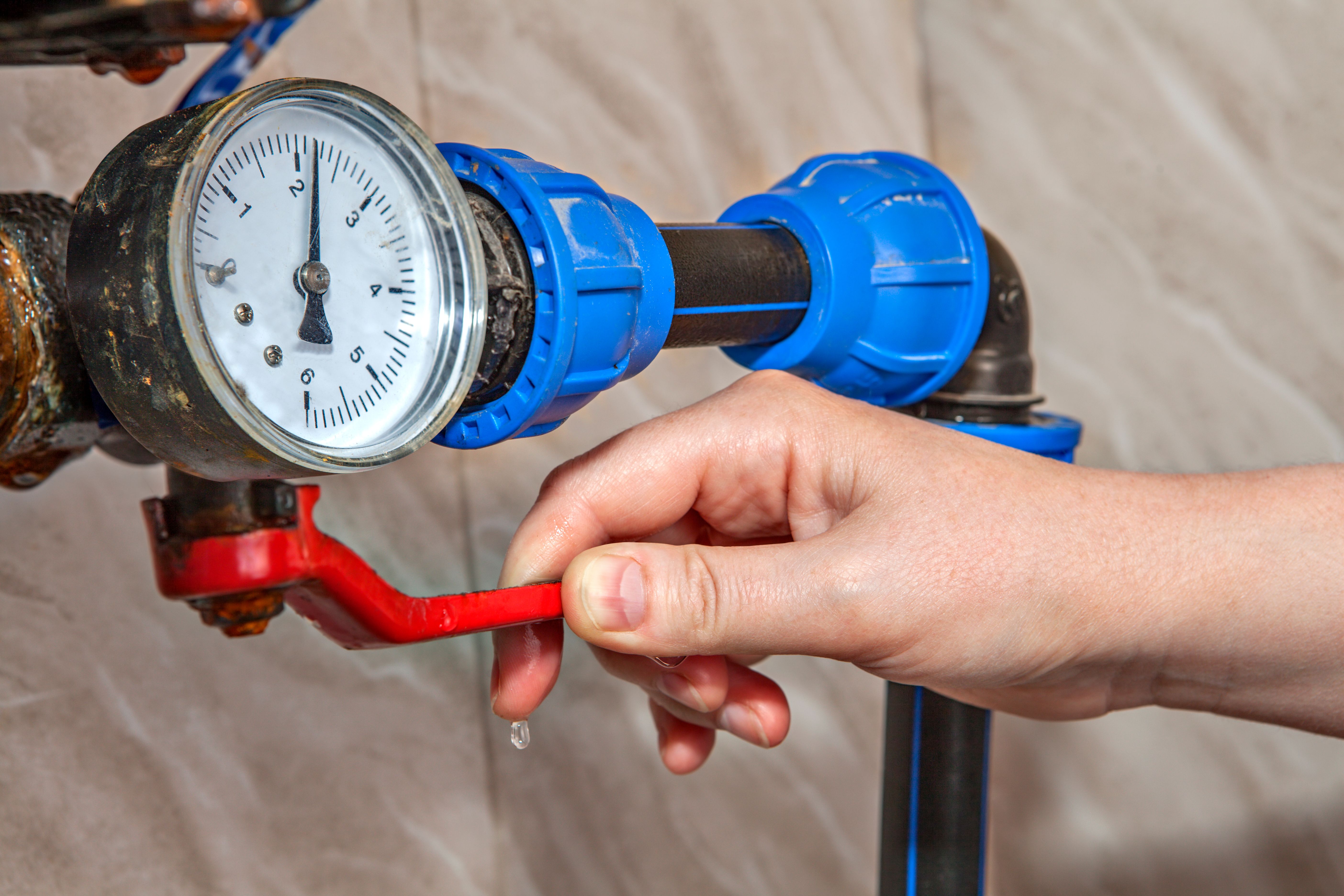
In case your pipes do freeze, it's essential to know where your main water shut-off valve is located. Shutting off the water quickly can minimize damage if a pipe bursts. Make sure everyone in your household knows how to find and operate this valve.
By following these preventative measures, you can protect your Broomfield home from the inconvenience and expense of frozen pipes. Stay proactive, and enjoy a worry-free winter!