The Impact of Local Regulations on Plumbing Solutions in Boulder Valley
SP
Understanding Local Plumbing Regulations
In Boulder Valley, local plumbing regulations play a crucial role in shaping the solutions available to both residential and commercial properties. These regulations ensure that plumbing systems are safe, efficient, and environmentally friendly. Understanding these rules is essential for homeowners and businesses looking to undertake plumbing projects.
The Boulder Valley regulations are tailored to address specific regional challenges, such as water conservation and the unique climate conditions. Compliance with these regulations is not only mandatory but also beneficial in enhancing the overall efficiency and sustainability of plumbing systems.
Water Conservation Efforts
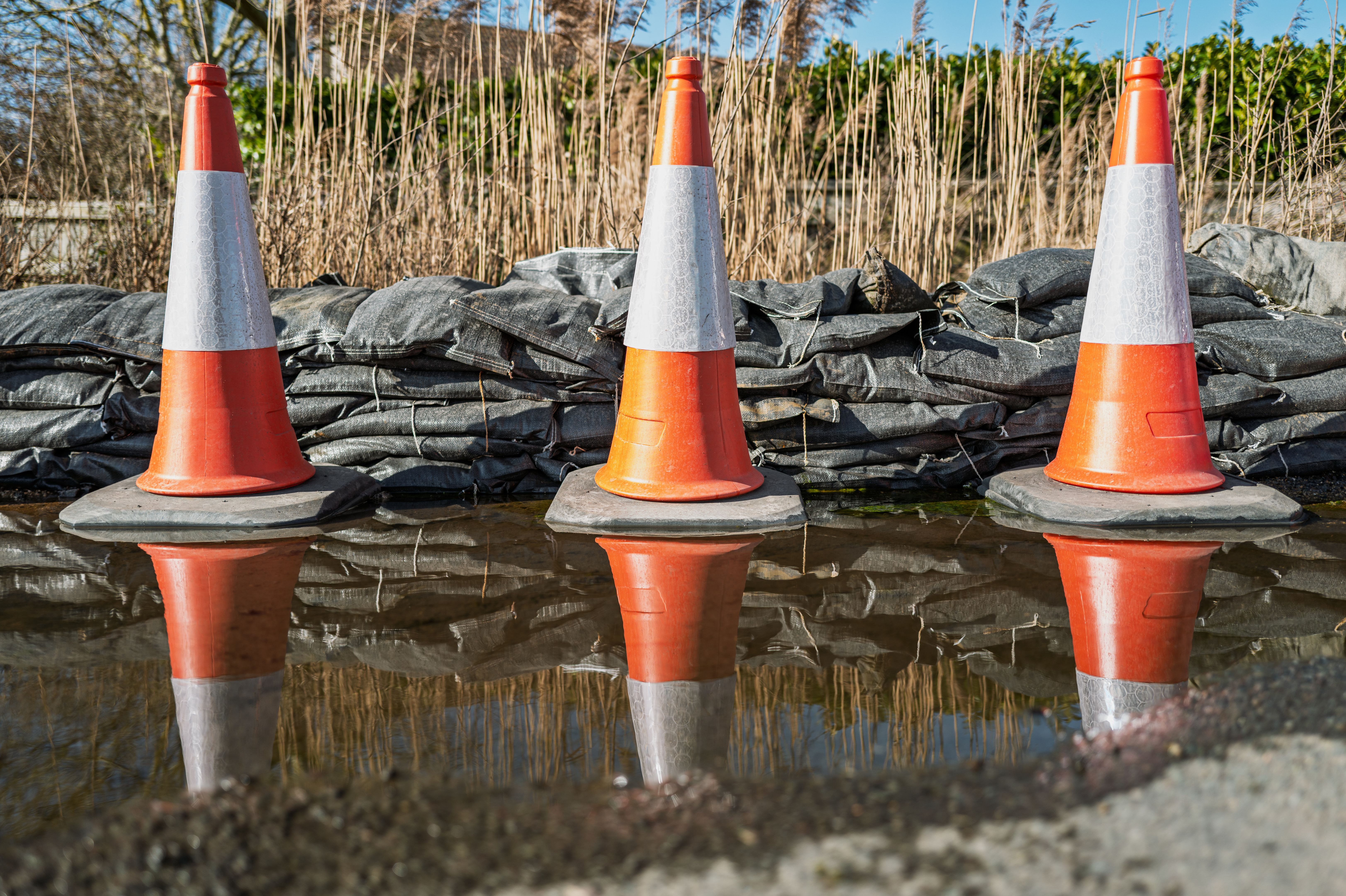
Boulder Valley is known for its commitment to environmental sustainability, and local plumbing codes reflect this dedication. One of the key focuses is on water conservation. The regulations encourage the use of water-efficient fixtures and systems that minimize waste. This includes low-flow toilets, efficient irrigation systems, and the use of recycled water in certain applications.
By adhering to these standards, residents and businesses can significantly reduce their water usage and contribute to the region's conservation goals. Additionally, these measures often result in cost savings on water bills, making them economically advantageous as well.
Climate Considerations
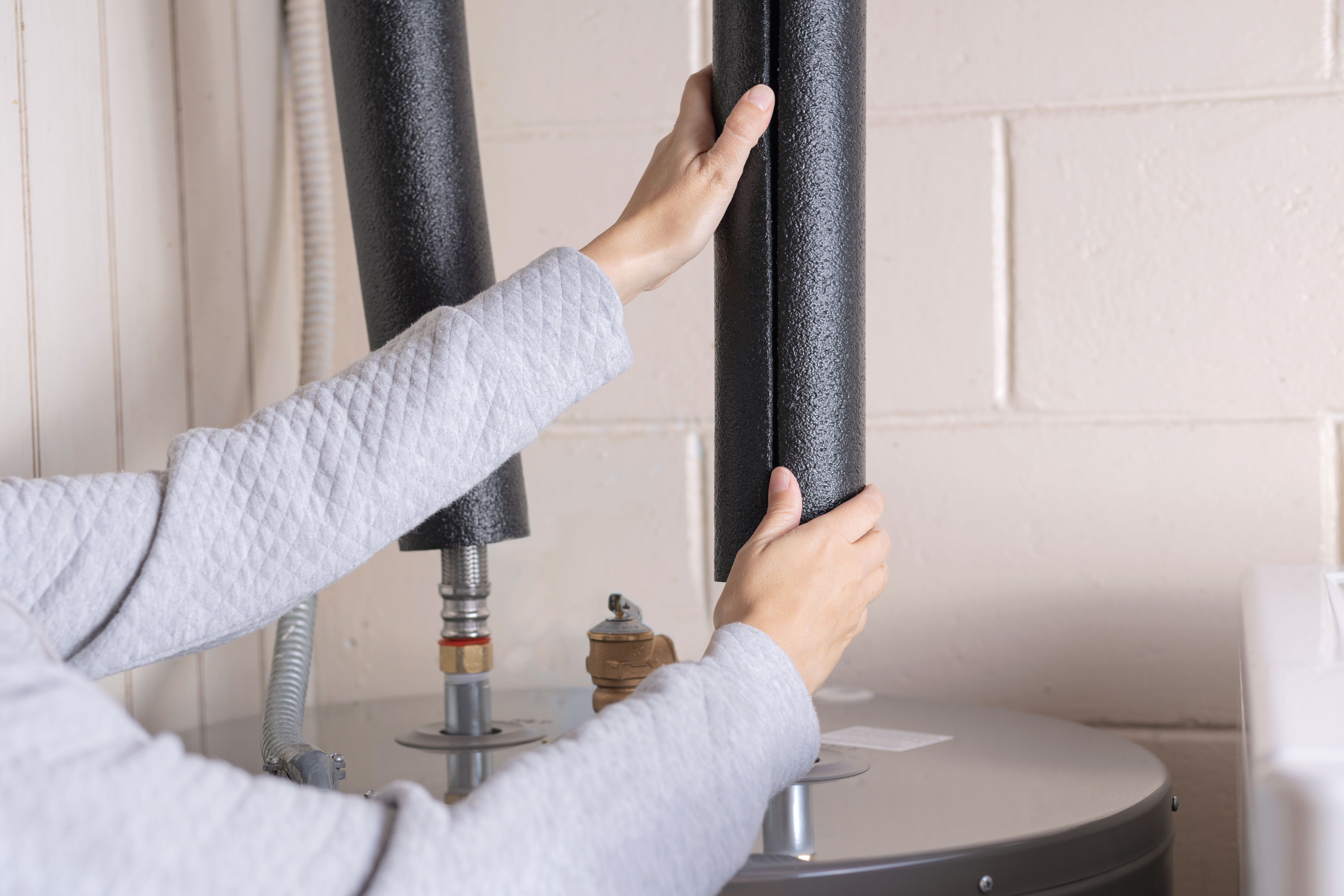
The unique climate of Boulder Valley necessitates specific plumbing adaptations. Freezing temperatures in the winter require proper insulation of pipes to prevent bursts and leaks. Local codes provide guidelines on how to insulate piping systems effectively, ensuring they remain operational year-round.
Another climate-related consideration is the management of stormwater. Boulder Valley regulations emphasize the importance of proper drainage systems to prevent flooding and erosion. These systems must be designed to handle heavy rainfall and snowmelt, protecting both properties and the environment.
Health and Safety Standards
Ensuring the health and safety of residents is a top priority. Plumbing regulations in Boulder Valley include strict guidelines on water quality and sanitation. This involves regular inspections and maintenance of plumbing systems to detect and address any potential hazards.
Backflow prevention is another critical aspect, as it protects the potable water supply from contamination. Local regulations require the installation of backflow prevention devices in certain scenarios to safeguard public health.

Impact on Plumbing Businesses
For plumbing professionals operating in Boulder Valley, staying informed about local regulations is vital. These rules dictate the scope of work they can perform and the materials they can use. Plumbing businesses must ensure that their practices align with local codes to avoid penalties and ensure customer satisfaction.
Moreover, compliance with local regulations can be a selling point for businesses, as it demonstrates their commitment to quality and safety. By emphasizing their adherence to these standards, plumbing professionals can build trust with clients and establish a strong reputation in the community.
Conclusion
Local regulations in Boulder Valley significantly impact the plumbing solutions available to residents and businesses. By understanding and adhering to these rules, individuals can ensure their plumbing systems are efficient, safe, and sustainable. For plumbing professionals, staying informed about these regulations is key to delivering high-quality services and maintaining compliance.